Is Buying Art a Good Investment?

Is art a good investment? The answer is not as simple as yes or no, and that is exactly why many buyers make expensive mistakes. A handmade paintings for sale Art may look beautiful on a wall, but beauty alone does not make it a strong investment. At the same time, an artwork does not need to be famous or extremely expensive to have long-term value. What matters is understanding the difference between buying art for decoration and buying art with real market potential.
Many people judge artwork by size, color, price, or how well it matches their home. These details matter for interior design, but they are not enough when money and future value are involved. A serious art purchase should also be looked at through other factors, such as the artist’s reputation, originality, rarity, condition, provenance, exhibition history, and demand among collectors.
This article is written to help buyers think more clearly before choosing a piece. It does not promise that art will always increase in value, and it does not treat art as a quick way to make profit. Instead, it explains what experienced collectors, galleries, and art advisors usually consider before calling a piece valuable.
By the end, you should have a more practical way to judge whether an artwork is mainly a decorative purchase, a meaningful personal piece, or a possible long-term investment. The best art purchase is usually not the one that only looks impressive today, but the one that still feels considered, authentic, and valuable years later.

What Really Makes Art a Good Investment Beyond Beauty?
Once a buyer understands that beauty alone is not enough, the next question becomes more important: what actually gives an artwork long-term value? This is where art buying becomes more than choosing something attractive for a wall. A serious artwork should be judged through evidence, not only emotion.
The first detail is originality. An original painting, a limited edition paintings for sale in Dubai print, and a mass-produced decorative print may all look good from a distance, but they do not carry the same value. Original work has a direct connection to the artist’s hand and decision-making. A limited edition can also have value, but only when the edition size is clear, the print is properly signed or numbered, and the artist has real market recognition. A decorative print, even if beautiful, usually has little resale strength because it is not rare.
Condition is another factor many new buyers miss. A small tear, fading pigment, poor framing, moisture damage, or restoration can affect value more than people expect. In art, the way a piece has been kept is part of its financial story.
Documentation matters as much as appearance. A certificate of authenticity, gallery invoice, exhibition record, or ownership history helps prove what the artwork is and where it comes from. This history is called provenance, and it can make a buyer more confident when purchasing or reselling the piece.
So, is art a good investment? It can be, but only when visual appeal is supported by originality, condition, documentation, rarity, and real demand. Without those details, a painting may still be beautiful, but it is mainly decoration.

How to Buy Art Wisely and Protect Its Future Value?
A smart art purchase does not end when the payment is made. In many cases, what happens after the purchase is what helps protect the artwork’s value over time. Buyers often focus on choosing the right piece, but they pay less attention to what should happen next. In reality, buying well and caring well are closely connected.
The first step is to buy with both taste and discipline. The artwork should appeal to you personally, but that should not be the only reason to buy it. Ask practical questions before making a decision. Is the work original? Does it come with a certificate of authenticity? Is there a gallery invoice, artist record, or ownership history? These details may seem secondary in the moment, but they become very important later if you want to insure, value, or resell the piece.
The next step is proper care. An artwork should not be treated like ordinary decoration. Direct sunlight, humidity, poor framing, heat, and careless handling can slowly damage the surface and reduce long-term value. Even a strong piece by a respected artist can lose appeal if its condition is compromised.
It also helps to keep a simple record after purchase. Save the invoice, certificate, photos, framing details, and any updates about the artist’s exhibitions or market growth. This creates a clearer history around the artwork. In many cases, preserving the story behind the piece is almost as important as preserving the piece itself.
A Practical Way to Judge Art Before You Buy
After learning how to buy carefully and protect the artwork after purchase, the next step is more personal: deciding whether the piece actually fits your life. A good art purchase should not only look smart on paper. It should also feel right in the space where it will be seen, lived with, and remembered.
One practical question can help every buyer would you still want this artwork if its price never increased? If the answer is no, the purchase may be driven more by hope than judgment. Art can grow in value, but that growth is never guaranteed. A piece that gives daily pleasure, reflects your taste, and still has credible market support is usually a stronger choice than one bought only because someone says it may become expensive.
Budget also matters. Buyers should avoid spending all their money on the artwork itself and forgetting the costs that come after, such as framing, delivery, insurance, installation, and care. These details may not feel exciting, but they affect the real cost of ownership.
Another useful step is to compare before buying. Look at other works by the same artist, check whether the style is consistent, and ask why one piece costs more than another. This gives the buyer a clearer sense of value instead of relying only on first impressions.
Art becomes a better investment choice when the buyer can connect personal taste with practical judgment. The strongest purchase is usually one that has meaning, documentation, realistic pricing, and a clear plan for long-term care.

The Hidden Costs Behind Owning Art
Many buyers think the price of the artwork is the full cost, but art ownership often includes expenses that are easy to forget. A painting may need professional framing, safe delivery, installation, insurance, storage, or later condition checks. These costs matter because they affect the real return of the purchase. For example, a buyer may choose an artwork for $3,000, then spend more on museum-quality framing, climate-safe shipping, and insurance. That does not make the purchase wrong, but it changes the real investment picture. When judging whether art a good investment choice, buyers should look at the total cost of ownership, not only the gallery price.
Look Deeper Before Choosing Art
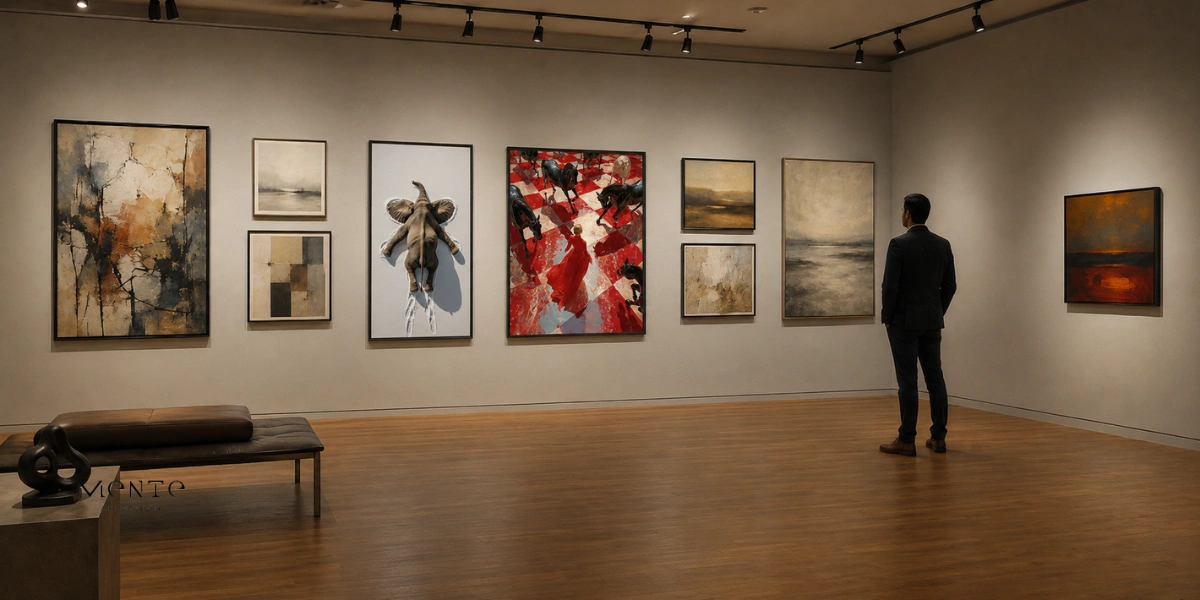
Tap each artwork to reveal what a careful buyer should notice before thinking about long-term value.
Look for a piece that feels recognizable, intentional, and visually consistent. A distinctive identity can make an artwork easier to remember, discuss, and value over time.
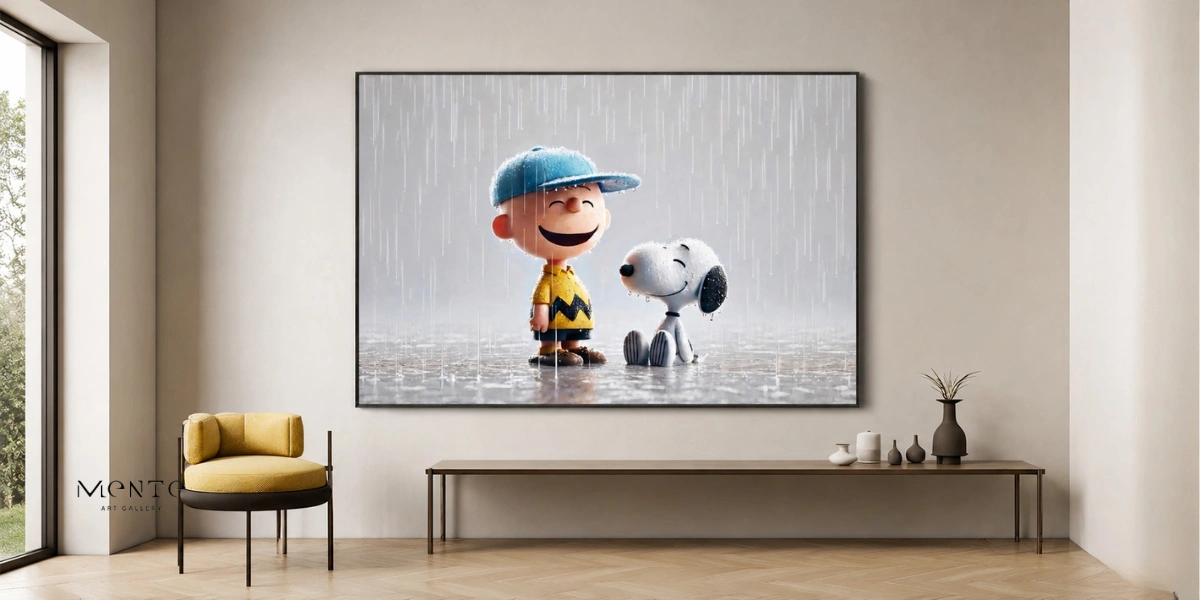
View ArtworkPop-style or decorative pieces can be enjoyable, but buyers should check originality, edition size, artist background, and documentation before treating them as investment pieces.
View ArtworkEmotional value matters because the owner may live with the artwork for years. A meaningful piece can remain personally valuable even if the market moves slowly.
View ArtworkBefore buying a strong statement piece, check whether it has originality, proper condition, clear documentation, and a reason to matter beyond interior decoration.
View ArtworkResale Is Harder Than Most Buyers Expect
One of the most important things to understand about art is that it is not a quick-cash asset. A painting may be valuable, but that does not mean it can be sold immediately at the price the owner wants. The right buyer may take months or even years to appear. Resale can also involve gallery commissions, auction fees, shipping, insurance, and valuation costs. This is why buyers should not purchase art with the expectation of fast profit. A stronger mindset is to treat art as a long-term asset that brings daily visual value first and possible financial return later.
A Simple Rule Before Saying Yes to an Artwork
Before buying any artwork, use one simple rule pause before the payment and ask what proves the value. The answer should include more than personal excitement. There should be a reason behind the price, a clear identity for the artist, proper documentation, good condition, and a realistic explanation of why the work matters. If the seller cannot explain these points clearly, the buyer should slow down. Good art buying is not about rushing before someone else takes the piece. It is about understanding what makes the artwork worth owning, worth protecting, and possibly worth more in the future.
The Artist’s Career Can Change the Value of a Piece
The value of an artwork is often connected to the direction of the artist’s career. If an artist begins showing in stronger galleries, enters private collections, appears in respected exhibitions, wins awards, or receives museum attention, the market may start viewing their earlier works differently. This is why buyers should not only look at the artwork itself, but also the artist’s professional path. A beautiful painting by an unknown artist can be meaningful, but a beautiful painting by an artist with growing recognition may have stronger long-term potential. In art investment, the story of the artist and the story of the piece usually move together.
Frequently Asked Questions
Is art a good investment for beginners?
Art can be a good investment for beginners, but only when the buyer understands what they are buying. A beginner should not choose a piece only because it looks beautiful or because a seller says it may become valuable. The safer approach is to check whether the artwork is original, in good condition, properly documented, and created by an artist with a real professional background. For new buyers, the best first purchase is usually a piece they genuinely enjoy living with, while still having enough quality and documentation to support future value.
How can I know if an artwork may increase in value?
No artwork can be guaranteed to increase in value, but some signs can make a piece more promising. Buyers should look at the artist’s reputation, exhibition history, gallery support, rarity of the work, condition, provenance, and collector demand. A painting with clear documentation and a traceable history usually has a stronger position than a decorative piece with no background. The more evidence there is behind the artwork, the easier it becomes to understand its long-term potential.
Should I buy art for love or for investment?
The best art purchase usually combines both. You should like the artwork enough to live with it, even if its price never increases. At the same time, it is still important to check the facts behind the piece, including authenticity, documentation, artist background, pricing, and condition. Buying only for profit can lead to disappointment because the art market is not always predictable. Buying only for decoration may also ignore important value factors. A balanced purchase gives you personal enjoyment and possible long-term value.
What documents should I ask for when buying art?
Before buying art, ask for a certificate of authenticity, gallery invoice, artist name, title of the work, year of creation, medium, size, and any available provenance records. These documents help prove what the artwork is, where it came from, and why it has value. They also become important later if you want to insure the piece, request a valuation, pass it on, or resell it. Losing the paperwork can make even a strong artwork harder to verify in the future.
Is expensive art always a better investment?
Expensive art is not always a better investment. A high price may reflect the artist’s reputation, rarity, quality, and market demand, but it can also be influenced by branding, interior trends, or seller positioning. A fairly priced original artwork with strong documentation can sometimes be a better long-term choice than an expensive decorative piece with weak provenance. Buyers should look beyond the price and ask why the artwork is valuable, who created it, how rare it is, and whether there is real demand for similar works.
Also Read : Top 10 Most Famous Paintings
We are the Mente Art Gallery Team, a group of art, design, and luxury décor specialists focused on the world of original artworks, collectible pieces, and refined interior objects. At Mente Art Gallery, we create clear, tasteful, and thoughtfully curated content to help collectors, interior designers, and luxury buyers discover meaningful pieces with confidence.
Our content covers original paintings, sculptural objects, decorative accessories, statement furniture, and exclusive design pieces, with a focus on artistic value, visual character, and how each piece can elevate a refined living or commercial space.