How To Choose Art That Actually Improves Your Space?
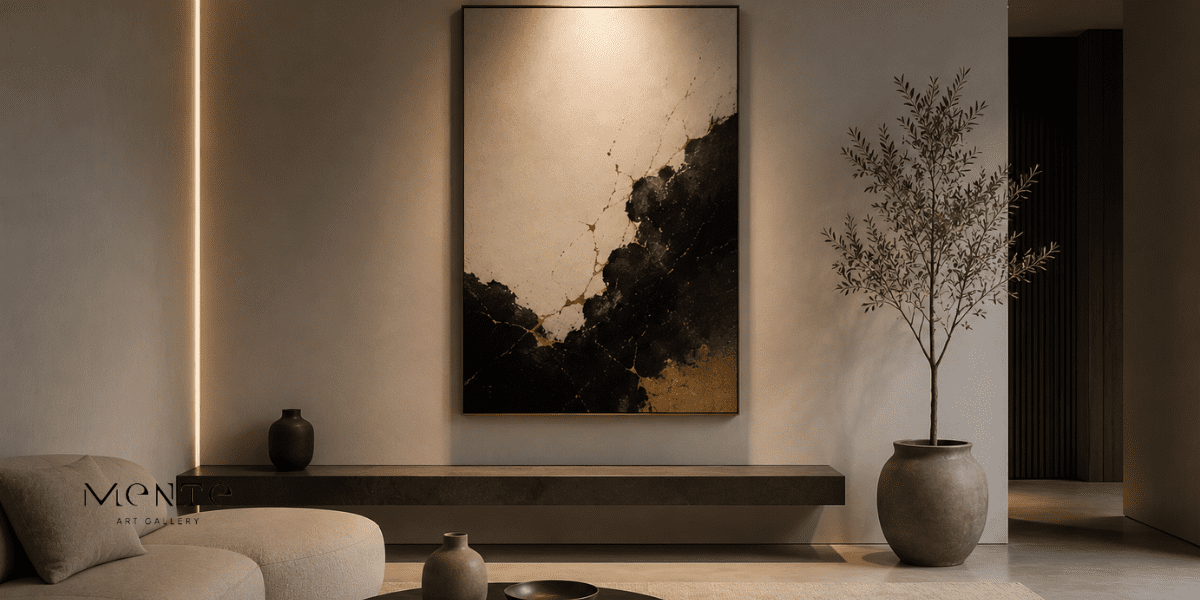
The best Art That Actually Improves Your Space is not necessarily the most expensive piece, the largest canvas, or the artwork that happens to be trending at the moment. It is the piece that feels connected to the room, supports the way the space is used, and creates a stronger experience for the people who spend time there.
Many people approach art as a finishing touch. They select furniture, paint colors, lighting, and decorative objects first, then look for artwork to fill an empty wall. In reality, art often has a much greater influence on a room than people expect. The right piece can introduce warmth, create a focal point, add visual balance, or bring a sense of personality that other design elements cannot achieve on their own.
This is why thoughtful art selection matters. A carefully chosen artwork can change how a room feels without requiring a complete redesign. It can make a living room more inviting, a workspace more inspiring, or a commercial environment more memorable for visitors.
Rather than following trends or choosing pieces simply because they match a color palette, it is more useful to think about how art contributes to the atmosphere of a space. The goal is not just decoration. The goal is creating an environment that feels intentional, comfortable, and visually engaging.
In the following sections, we will explore the practical factors that help people choose Art That Actually Improves Your Space, from understanding the character of a room to selecting artwork that supports its purpose and identity.
Why Most People Choose The Wrong Artwork For Their Space?
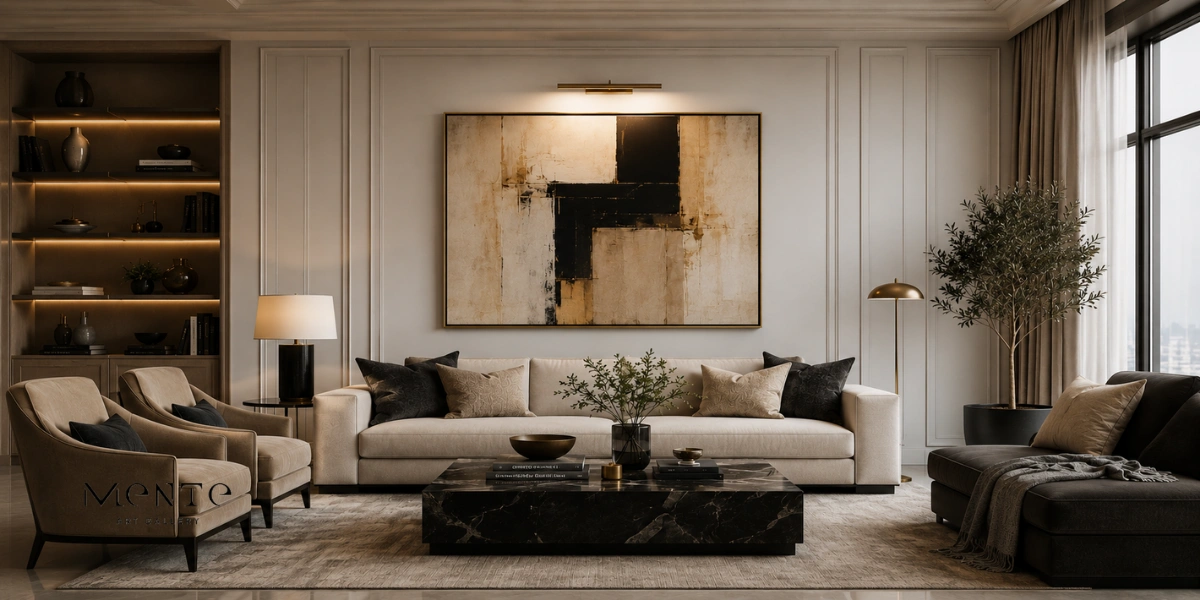
By this point, one thing becomes clear: choosing Art That Actually Improves Your Space has less to do with personal taste than most people assume. A common mistake is evaluating artwork in isolation. People fall in love with a piece in a gallery, online shop, or social media post and imagine it will have the same effect in their home. In reality, artwork never exists on its own. The moment it enters a room, it becomes part of a larger visual system that includes architecture, lighting, furniture, textures, and movement. This is why a painting that looks extraordinary in a gallery can feel surprisingly ineffective once it is installed at home. Before choosing artwork, try identifying the visual role your room currently lacks. Most spaces are missing one of three things: a focal point, emotional character, or visual balance.
For example, many modern interiors are beautifully designed but emotionally neutral. They have quality furniture, attractive finishes, and good lighting, yet they feel impersonal. In these cases, artwork should not simply match the room. It should introduce personality and create a stronger emotional connection. This is also why many homeowners and collectors spend time searching for an original painting for sale , as original artwork often brings a level of authenticity and emotional depth that reproductions rarely achieve.
Other spaces suffer from the opposite problem. They contain too many competing elements. Large furniture, patterned rugs, decorative accessories, and bold colors all demand attention at the same time. Adding another visually dominant artwork often increases the feeling of clutter rather than improving the room.
A useful exercise is to stand at the entrance of a room and ask yourself a simple question: “Where does my eye go first?” If the answer is unclear, the space may be missing a visual anchor. If too many things compete for attention, the room likely needs simplification rather than another statement piece. The most successful Art That Actually Improves Your Space solves a problem that already exists within the room. It does more than decorate a wall. It strengthens the overall experience of being in that environment.

How Professional Collectors Choose Art That Actually Improves Your Space?
One of the most surprising things about experienced art collectors is that many of them do not purchase artwork during their first visit to a gallery. This is not because they are undecided. It is because they understand the difference between emotional excitement and lasting connection. Art professionals often know that a strong first impression can be misleading. A bold color palette, dramatic subject, or oversized canvas may immediately capture attention. However, the artwork that attracts the most attention is not always the artwork people want to live with every day.
Some collectors use a simple technique. They leave the gallery and wait a few days before making a decision. Then they ask themselves one question Can I still clearly remember the artwork? If the image continues to return to mind without effort, there is usually a deeper connection. If the memory fades quickly, the attraction may have been temporary.
Another method frequently used by art consultants is known as the visual anchor test. Stand at the entrance of a room and look at the space for only three seconds. Then leave and ask yourself what you noticed first. If there is no clear answer, the room may be missing a focal point. If several elements compete equally for attention, adding more artwork may not solve the problem. Simplifying the space could be a better solution. This way of thinking changes how people approach Art That Actually Improves Your Space. Instead of asking which artwork is the most impressive, professionals ask which artwork will continue adding value to the room months or years from now.
Interestingly, many luxury homes follow the same principle. They often display fewer pieces than expected. The goal is not to fill every wall but to give selected artworks enough space to create impact. The same philosophy can also be seen in the way designers curate furniture, sculptures, and Decorative accessories for sale within high-end interiors. In many cases, what is left empty is just as important as what is displayed.
Can I still remember this artwork after a few days?
What problem does this artwork solve in my space?
Does my room already have a visual anchor?
Will I still enjoy seeing this piece in five years?
Is the artwork properly scaled for the room?
Does it add character or only fill an empty wall?
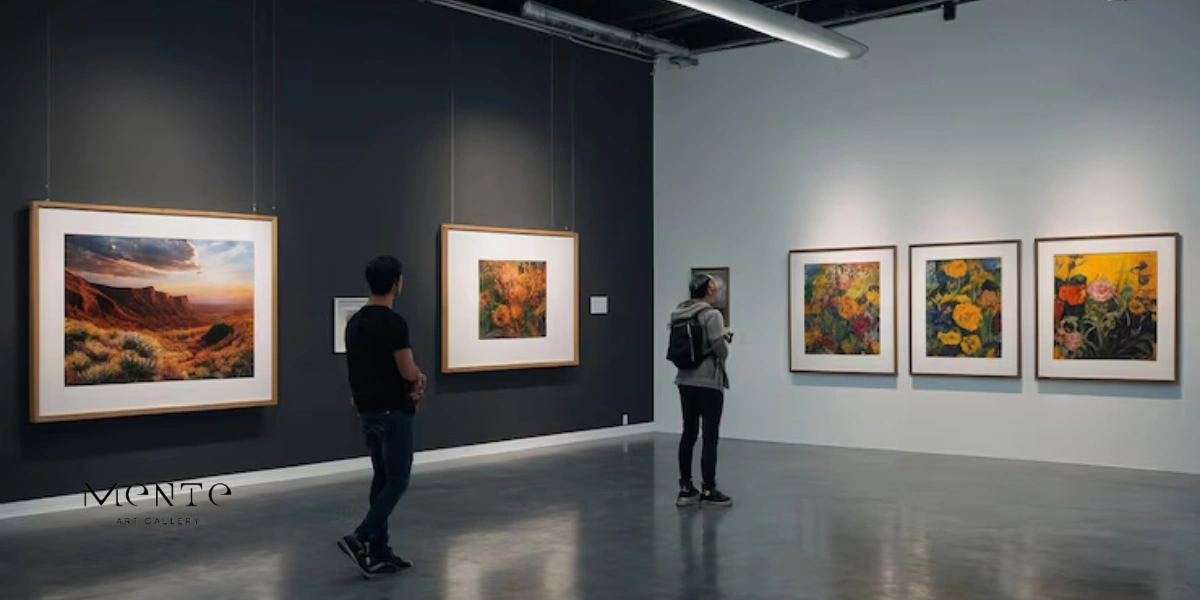
A Simple Room Test To Find Art That Actually Improves Your Space
After learning how collectors and consultants evaluate artwork, the next step is applying those ideas to your own space. Fortunately, you do not need professional training to make better art decisions. One of the easiest exercises is to spend five minutes in the room where the artwork will be displayed. Sit down, look around, and pay attention to where your eyes naturally move. Most people discover something surprising during this process. The area they originally planned to decorate is often not the area that needs artwork the most.
For example, a large empty wall may seem like the obvious location for a painting. However, if that wall is rarely noticed when entering or using the room, the artwork may have very little impact. In contrast, a smaller wall that naturally attracts attention can completely change the atmosphere of the space when paired with the right piece. This is one of the principles frequently discussed by interior designers and galleries such as Mente Art Gallery when helping buyers select artwork for real living spaces rather than showroom environments.
Another useful technique is to take a photograph of the room and view it in black and white. Removing color makes it easier to identify visual balance, empty areas, and elements that dominate the space. Many designers use this method because it reveals problems that are often hidden when looking at a room in person.
When searching for Art That Actually Improves Your Space, avoid asking what would look good on a wall. Instead, ask what would improve the experience of being in the room. That shift in perspective often leads to better decisions. The most successful artwork does not simply occupy space. It changes how people feel when they spend time there.
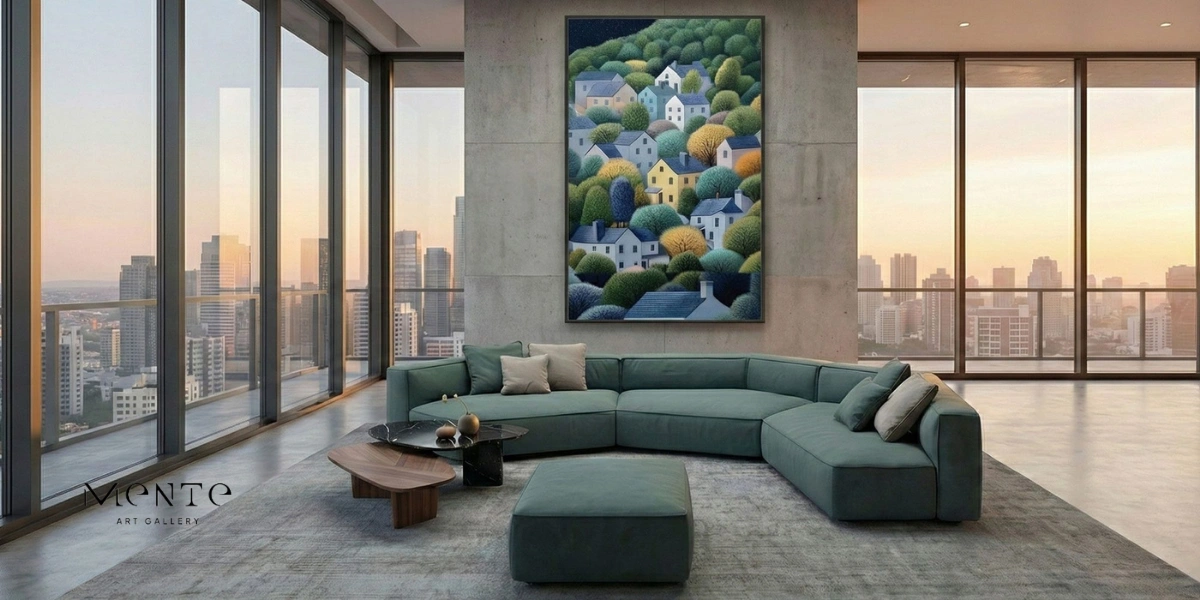
The Real Secret Behind Art That Actually Improves Your Space
By now, one thing should be clear: choosing Art That Actually Improves Your Space is rarely about finding the most expensive artwork, following current trends, or filling an empty wall. The strongest art choices are usually the result of understanding how a space feels, what it lacks, and how people interact with it every day.
Throughout this guide, we explored the habits of professional collectors, the importance of identifying visual problems before buying art, and practical ways to evaluate a room before making a decision. These are not rules designed to make every space look the same. They are tools that help you make more thoughtful choices.
Before purchasing your next piece, remember these key ideas:
• Look for artwork that solves a problem rather than simply adding decoration.
• Pay attention to how a piece feels after repeated viewing, not just the first impression.
• Consider the role of lighting, scale, and placement before making a final decision.
• Focus on how the artwork changes the experience of the room.
The most memorable interiors are not built around trends. They are built around intentional decisions that continue to feel meaningful over time. In the end, great art does more than occupy a wall. It creates connection, adds character, and helps transform a space into a place people genuinely enjoy spending time in.
Frequently Asked
Questions
How do I know if an artwork is right for my space?
If it improves the mood, balance, or personality of the room, it is likely the right choice.
Should artwork match my furniture and decor?
Not always. Good artwork should complement the space, not copy every color in the room.
What is the biggest mistake people make when buying art?
They choose a piece alone, without checking how it works with the room, lighting, and scale.
How can I tell if I genuinely like an artwork?
Wait a few days. If you still remember it clearly, the connection is probably real.
Is bigger artwork always better for a room?
No. The right scale matters more than size. A large piece can overwhelm a small or busy room.

We are the Mente Art Gallery Team, a group of art, design, and luxury décor specialists focused on the world of original artworks, collectible pieces, and refined interior objects. At Mente Art Gallery, we create clear, tasteful, and thoughtfully curated content to help collectors, interior designers, and luxury buyers discover meaningful pieces with confidence.
Our content covers original paintings, sculptural objects, decorative accessories, statement furniture, and exclusive design pieces, with a focus on artistic value, visual character, and how each piece can elevate a refined living or commercial space.