Open Bookshelves vs Closed Storage Style or Practicality
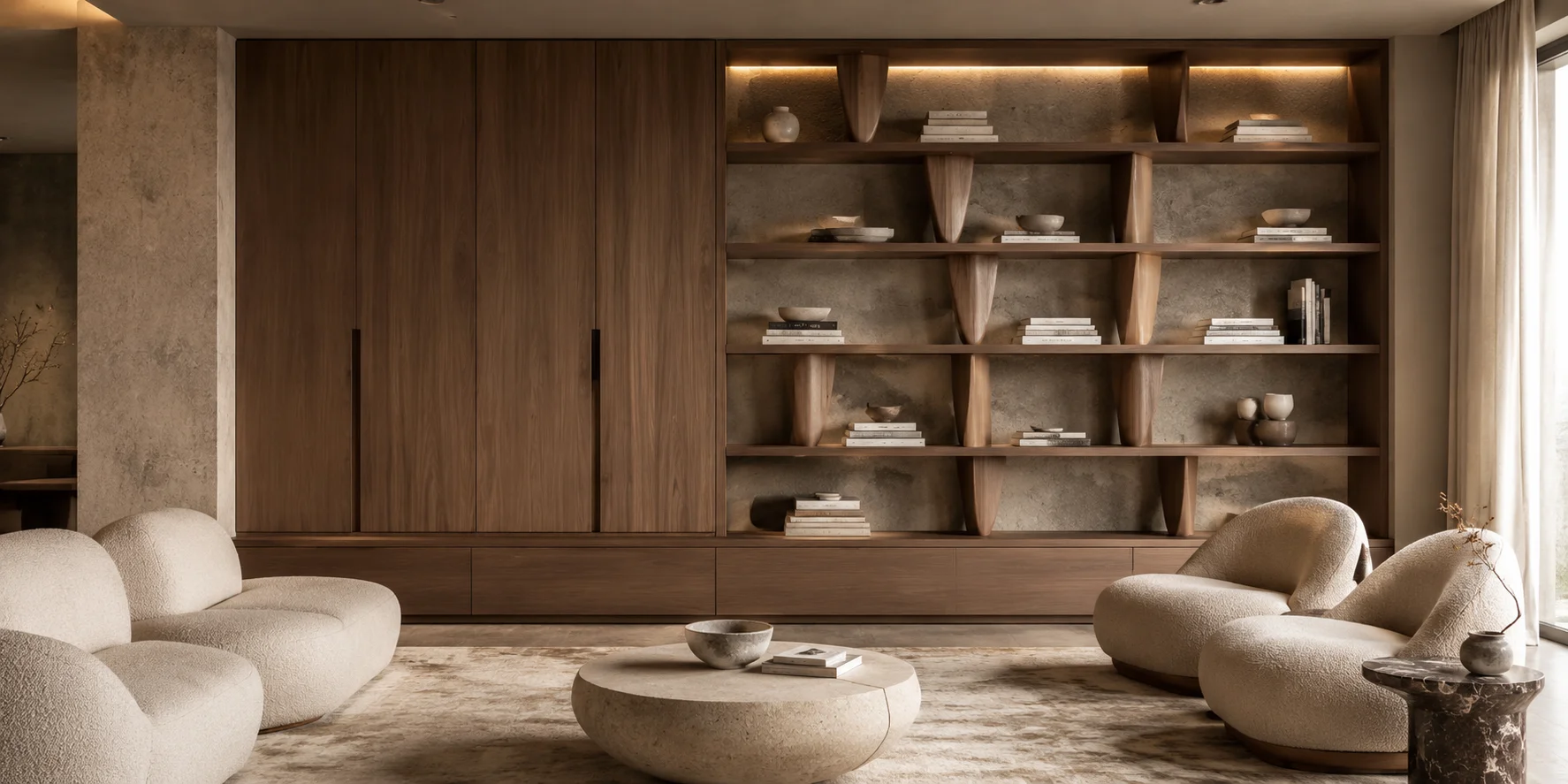
When comparing Open Bookshelves vs Closed Storage, neither option is automatically better for every home. Open bookshelves work best when you want easy access, visual openness, and a place to display books or decorative pieces. Closed storage is usually the more practical choice when you need to hide everyday clutter, protect items from dust, and keep a room looking consistently tidy. For many interiors, the most effective solution is actually a thoughtful combination of both.
Open shelving can make a room feel lighter because it does not create the same solid visual block as a full cabinet. It also gives you more freedom to change what is displayed over time. The trade-off is that everything remains visible. Books, objects, cables, and small items need some level of organization, otherwise an attractive shelf can quickly begin to look crowded.
Closed cabinets create a calmer visual surface and require less styling on a daily basis. They are particularly useful for items that are functional rather than decorative, such as documents, electronics, toys, or household supplies. However, using too much closed storage can make a small room feel heavier, especially when large cabinets occupy an entire wall.
The choice between Open Bookshelves vs Closed Storage should therefore depend on how you actually use the room, how much you need to store, and how much time you want to spend keeping everything visually organized.
Quick Guide: Which Storage Style Fits Your Space?
Instead of choosing based only on appearance, think about what you store, how often you use it, and whether you want those items to remain visible.
Choose Open Bookshelves
A good option for books, artwork, plants, collectibles, and frequently used items. They work especially well when you want the room to feel lighter and more personal.
Choose Closed Storage
Better for paperwork, cables, electronics, toys, and everyday objects you prefer to keep out of sight. It also makes maintaining a visually tidy room easier.
Combine Both
Use open shelving for selected pieces and closed cabinets for practical storage. This approach is particularly useful in living rooms, bedrooms, and smaller homes.
Open Bookshelves
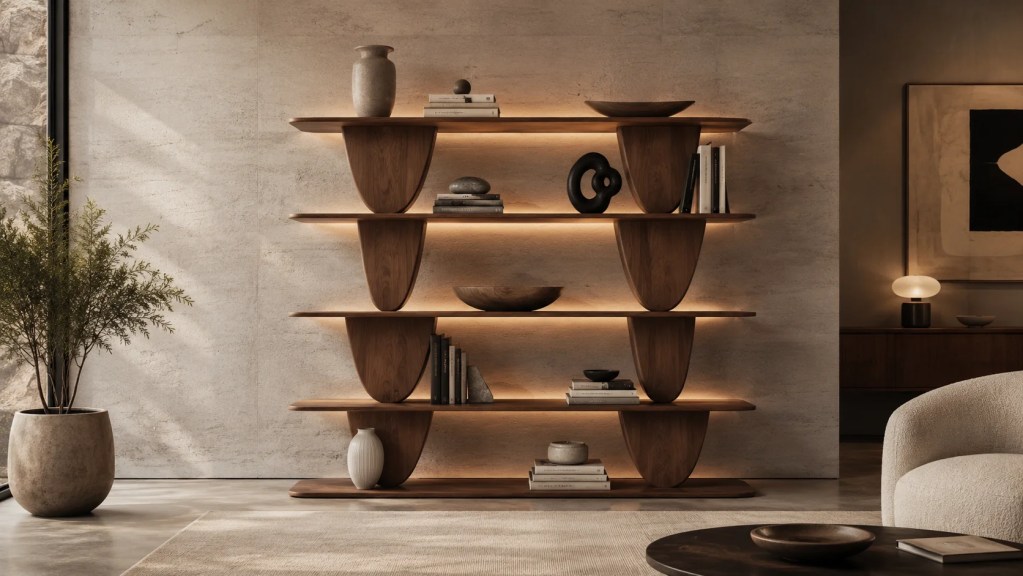
To understand Open Bookshelves vs Closed Storage properly, it helps to look first at what open bookshelves actually do in a room. An open bookshelf is a storage unit without doors, allowing books, decorative objects, photographs, plants, and frequently used items to remain visible and easy to reach. Its value is not limited to storage. It also becomes part of the room’s visual composition, which means the objects placed on it influence how organized, spacious, or personal the interior feels.
Open bookshelves are especially effective in living rooms, home offices, reading corners, and bedrooms where access and display matter as much as storage capacity. In a living room, for example, a bookshelf can create a natural focal point while giving books and decorative pieces a permanent place. In a home office, open shelves make frequently used documents, reference books, and work materials easier to reach without opening cabinets repeatedly.
They can also work particularly well in smaller interiors when their proportions are carefully chosen. A shallow bookshelf usually takes up less visual weight than a deep closed cabinet, allowing more of the wall to remain visible. However, open storage works best when the items themselves can be kept reasonably organized. If a room contains many cables, small accessories, paperwork, or objects that do not need to be displayed, relying entirely on open shelving can make the space feel busier.
This is why the Open Bookshelves vs Closed Storage decision is not only about appearance. It is also about what you store and how often you need to access it.
Closed Storage
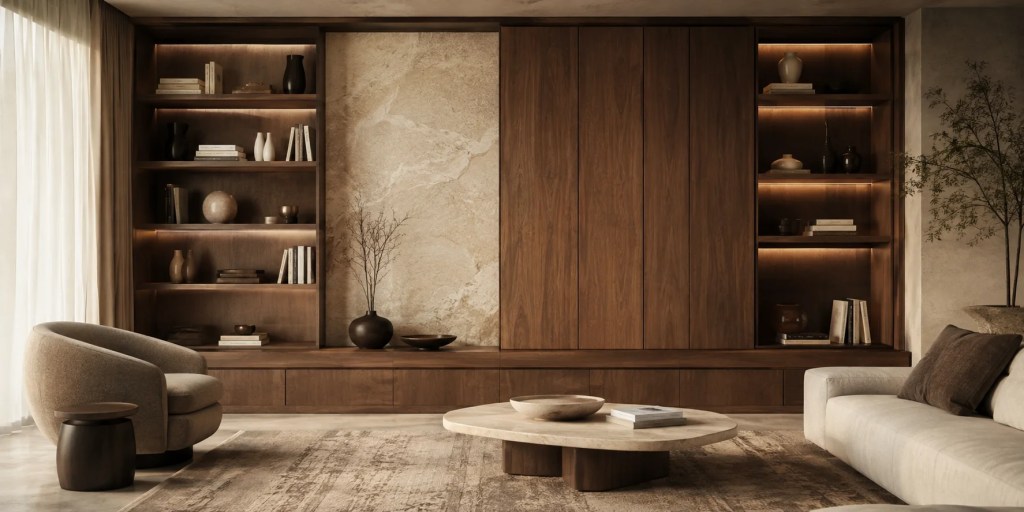
After looking at open shelving, the next step in the Open Bookshelves vs Closed Storage comparison is understanding what closed storage offers. Closed storage includes cabinets, cupboards, drawers, sideboards, and built-in units that keep their contents hidden behind doors or panels. Unlike open bookshelves, its main advantage is not display but visual control. You can store everyday objects without allowing them to dominate the appearance of the room.
Closed storage is particularly useful in spaces where many small or mismatched items need to be kept together. In a living room, it can hide cables, chargers, games, documents, and media equipment. Bedrooms benefit from closed units for clothing, personal belongings, and items that would otherwise make the room feel crowded. It is also a practical choice for entryways, children’s rooms, kitchens, and home offices, where maintaining a consistently tidy appearance can be difficult with open shelving alone.
When choosing a buy bookshelf in Dubai homeowners should consider not only the available wall space, but also how much of their storage they actually want to keep visible. In compact apartments, for example, combining a few open shelves with closed lower cabinets can provide display space without making everyday storage part of the room’s visual clutter.
Another important consideration in Open Bookshelves vs Closed Storage is maintenance. Items kept behind doors are generally less exposed to everyday dust and are easier to keep visually organized. This makes closed storage especially practical for busy households or rooms that contain toys, paperwork, electronics, or frequently used accessories.
The main limitation is visual weight. Large closed cabinets can make a compact room feel heavier, particularly when they are deep, dark, or cover most of a wall. Good design therefore depends on choosing the right dimensions, placement, and proportion for the available space.
Which Works Better in Everyday Life?
The most useful way to compare Open Bookshelves vs Closed Storage is to think about what happens after the room is styled and you begin using it every day. Open bookshelves are better for items you reach for often or genuinely enjoy seeing. Books, framed photographs, small sculptures, and a few decorative objects can make the room feel more personal and visually interesting. The downside is that open shelves require more regular attention. Dust is more noticeable, and overcrowding can quickly make the room feel untidy.
Closed storage is usually easier to live with when you have many practical items that do not need to be displayed. It gives you somewhere to put paperwork, electronics, toys, chargers, and other everyday objects while keeping the room visually calm. A display cabinet Dubai homeowners choose can also sit between these two approaches, offering a more structured way to showcase selected pieces while keeping the overall room organized. This works particularly well in living rooms or dining areas where decorative objects should remain visible without making the space feel cluttered.
Room size also changes the decision. In a compact space, too many large closed cabinets can feel heavy, while completely open shelving can expose too much visual clutter. A combination often solves both problems. Open shelves can be used at eye level for books and selected décor, while closed cabinets below can handle less attractive storage.
When deciding between Open Bookshelves vs Closed Storage, consider three things: what you need to store, how often you use it, and whether you want it visible. If display matters more, choose open shelving. If easy organization matters more, closed storage is usually the better choice. For many homes, combining both gives the most balanced result.
Making the Final Choice
The best choice in the Open Bookshelves vs Closed Storage debate comes down to how you actually live in the space, not simply which option looks better in photos. If you enjoy seeing your books, décor, and personal objects and do not mind keeping them organized, open bookshelves can make a room feel more expressive and accessible. If you prefer a calmer look and want everyday clutter kept out of sight, closed storage will usually be easier to manage.
Before deciding, think about a few practical points
- Choose open bookshelves for books, décor, collectibles, and items you use frequently.
- Choose closed storage for paperwork, cables, toys, electronics, and objects you would rather keep hidden.
- Combine both when you need display space and practical storage in the same room.
- Avoid filling every available wall with storage, especially in smaller rooms where visual balance matters.
If you are planning to buy custom furniture in Dubai, combining open and closed storage can be especially useful because the proportions, shelving height, cabinet depth, and storage layout can be designed around your actual room and belongings rather than forcing a ready-made unit into the space.
Ultimately, Open Bookshelves vs Closed Storage is not about choosing one universal winner. The better solution is the one that fits what you own, what you want to display, and how much daily maintenance you are comfortable with.
Frequently Asked Questions
Are open bookshelves or closed cabinets better for small rooms?
Open bookshelves can make a small room feel lighter because more of the wall remains visible, but they can also create visual clutter when overcrowded. Closed cabinets hide belongings more effectively but may feel heavy if they are large or deep. In many small spaces, combining open shelving above with closed storage below provides a better balance.
Do open bookshelves make a room look cluttered?
They can if every shelf is completely filled. Leaving some empty space and limiting the number of decorative objects usually creates a calmer appearance. Books can be grouped by size or purpose, while smaller everyday items are better kept inside drawers, boxes, or closed cabinets.
Which storage option is easier to keep clean?
Closed storage generally requires less frequent cleaning because doors help protect the contents from everyday dust. Open bookshelves expose books and decorative objects, so both the shelves and displayed items need more regular dusting.
Can I combine open bookshelves and closed storage in the same unit?
Yes. A mixed design is often one of the most practical solutions. Open sections can hold books, artwork, or objects you want to display, while closed cabinets can hide cables, paperwork, electronics, toys, and other everyday items.
How do I decide how much open and closed storage I actually need?
Start by separating the belongings you want to display from those you prefer to hide. If most of your items are decorative or frequently used, more open shelving may work well. If you have many small practical objects, documents, or electronics, allocate more space to closed storage.

We are the Mente Art Gallery Team, a group of art, design, and luxury décor specialists focused on the world of original artworks, collectible pieces, and refined interior objects. At Mente Art Gallery, we create clear, tasteful, and thoughtfully curated content to help collectors, interior designers, and luxury buyers discover meaningful pieces with confidence.
Our content covers original paintings, sculptural objects, decorative accessories, statement furniture, and exclusive design pieces, with a focus on artistic value, visual character, and how each piece can elevate a refined living or commercial space.