


ORDER
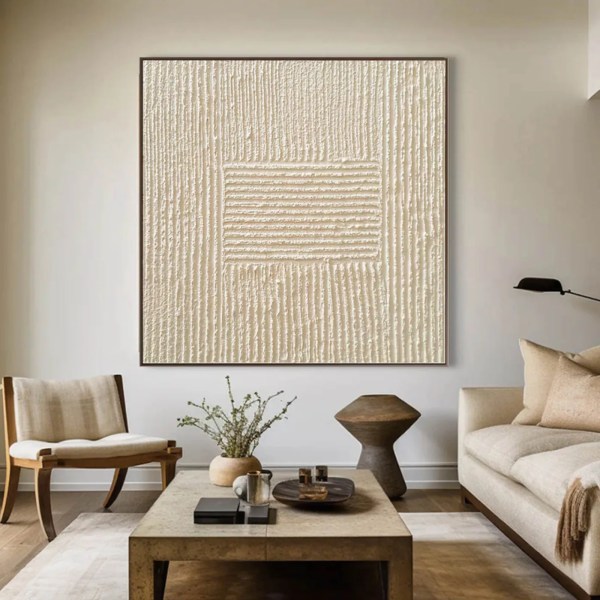
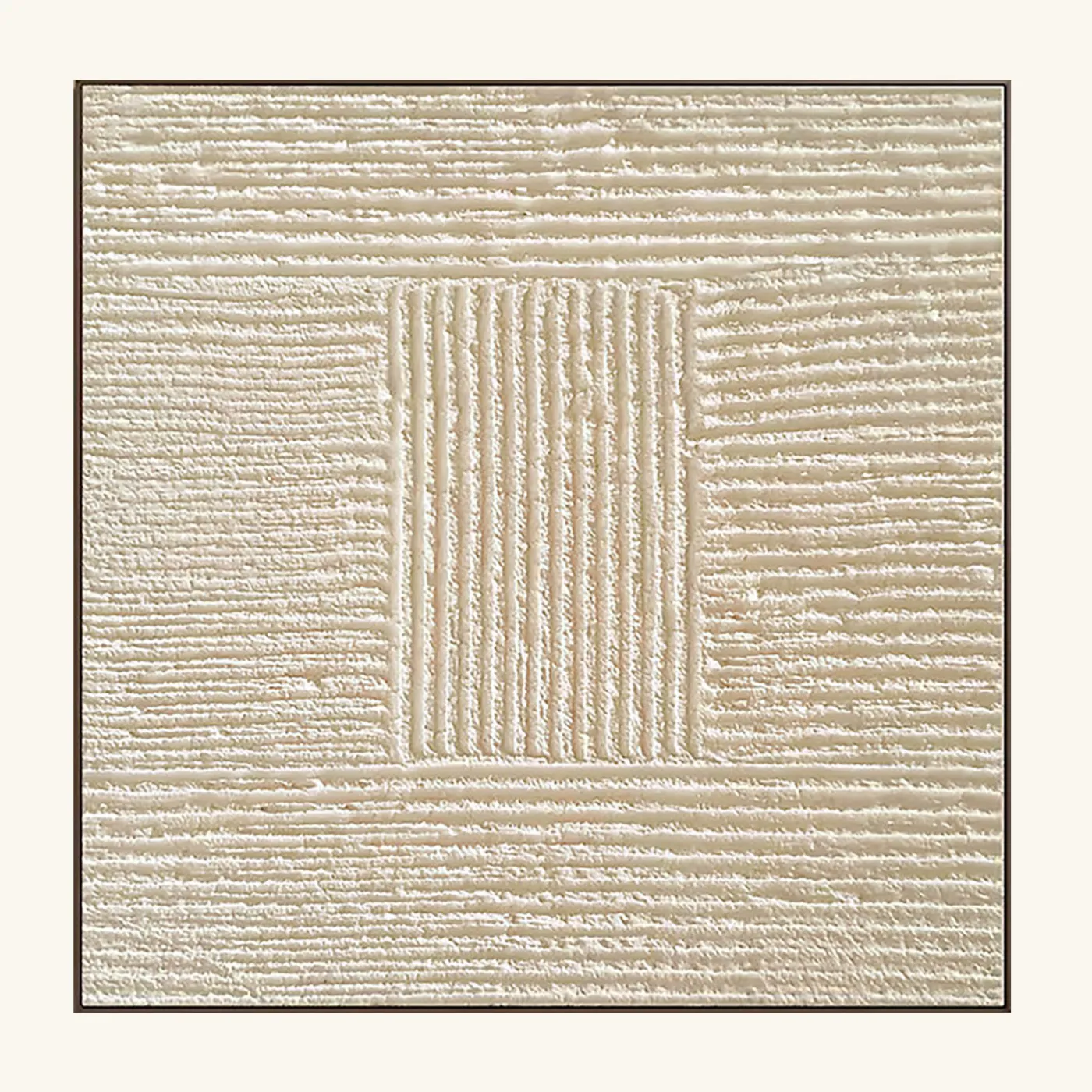
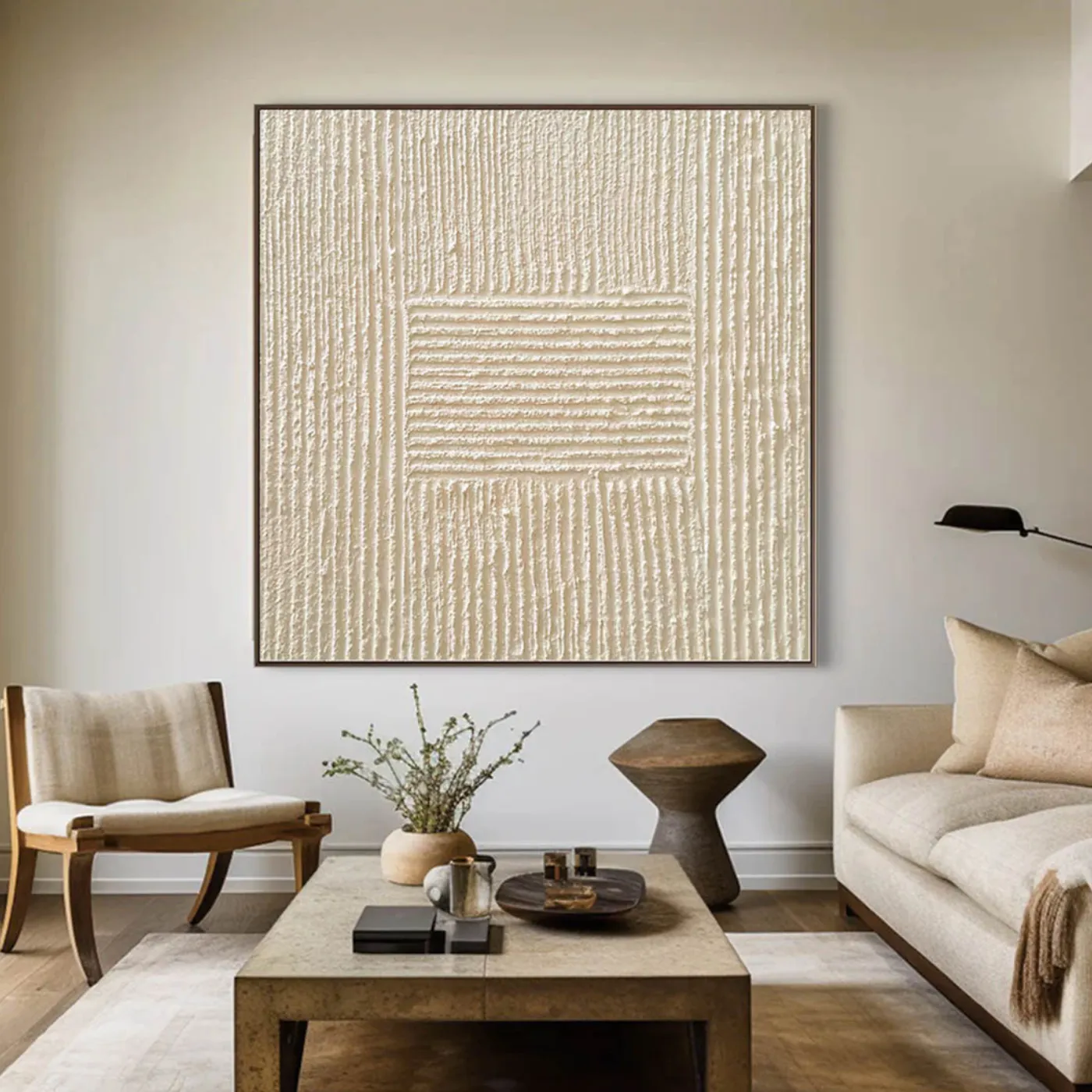
ORDER is a modern abstract artwork featuring a central vertical textured form surrounded by repeated horizontal ridges in cream, beige and soft white tones, presented in a dark frame.
17,900 AED
Price excluding VAT


Out of stock
Send us your requirements and our team will contact you to confirm availability, customization options, and next steps.
Product Enquiry
Please share the details of your request. The form will adjust based on the selected product type, so our team can follow up with the right information.
Have a Question About This Item?
Contact our team on WhatsApp to ask for the price and receive more information about this item, including availability, dimensions, materials, customisation options and delivery details.
Before You Order
Before placing your order, our team can confirm product availability, dimensions, materials, customisation options and delivery details. Delivery charges and expected timing are provided after reviewing the destination, product size and order requirements.
Availability
Final product availability is confirmed by our team before the order is completed.
Product Details
Additional photos, exact dimensions, materials and product information are available upon request.
Customisation
Selected products may be customised in size, colour, material or finish, depending on the item.
Delivery
Delivery cost and timing depend on the destination, product dimensions and order requirements. The final quotation is provided after your request has been reviewed.
Description
ORDER is a modern abstract artwork centred on repeated lines, raised surfaces and a clearly defined central form. The composition uses a monochromatic palette of cream, beige and soft white, allowing texture and depth to take priority over colour contrast. Across the surface, fine horizontal ridges create a consistent background pattern, while the centre introduces a contrasting vertical arrangement.
The artwork is organised around a rectangular central section filled with upright textured lines. This form is surrounded by horizontal bands that extend across the rest of the composition. The contrast between the vertical centre and the horizontal surroundings gives ORDER its strongest visual identity.
The surface appears carefully built through repeated relief-like marks. Some areas are densely lined, while others show softer, uneven edges where the texture changes direction. Collectors interested in Buy Original Artworks may consider ORDER for its restrained appearance, geometric arrangement and clear focus on tactile surface detail.
| Detail | Information |
|---|---|
| Artwork | ORDER |
| Category | Paintings |
| Subcategory | Modern & Abstract |
| Subject | Abstract geometric arrangement |
| Main Feature | Central vertical textured form |
Horizontal Texture and Central Contrast
The background is formed from closely spaced horizontal lines that run across the upper, lower and side sections of the artwork. These lines are not perfectly uniform, which allows the surface to retain a handmade appearance. Small changes in thickness, spacing and height create variation without disrupting the overall order.
At the centre, a rectangular area interrupts the horizontal pattern. Inside this section, the direction changes to vertical lines, producing a direct contrast between the surrounding field and the central form. The vertical marks appear raised and textured, making the centre more prominent through both shape and shadow.
The artwork remains within a narrow range of neutral tones. Cream and off-white areas catch the light, while beige and slightly darker sections define the grooves and transitions. Because the colours are closely related, the composition is understood mainly through its surface structure rather than through strong chromatic differences.
| Detail | Information |
|---|---|
| Main Colours | Cream, beige and soft white |
| Primary Direction | Horizontal lines |
| Central Direction | Vertical lines |
| Visible Features | Textured ridges, grooves and geometric divisions |
Repetition as the Main Visual Language
ORDER relies on repetition to create continuity across the surface. The horizontal marks extend around the centre and establish a stable rhythm from one side to the other. The vertical centre then interrupts this rhythm, creating a focal point without introducing a separate image or recognisable subject.
The central section is slightly more concentrated because its lines are positioned closely together and framed by surrounding transitions. The outer areas are broader and more open, although they remain filled with visible texture. This difference in density gives the artwork depth and prevents the composition from appearing flat.
The frame around the artwork creates a dark, narrow boundary that separates the pale textured surface from the surrounding space. It also reinforces the rectangular structure already present within the composition. Light and shadow change across the raised marks, making the surface easier to appreciate from different viewing distances.
ORDER at Mente Art Gallery
Mente Art Gallery presents ORDER as a modern abstract artwork focused on relief-like texture, repeated lines and controlled geometric contrast. Its neutral palette keeps the composition refined, while the change from horizontal to vertical marks gives the piece a clear centre.
The artwork is suitable for collectors who prefer abstract pieces based on material appearance rather than bright colour or figurative imagery. Those looking to Buy Modern & Abstract Paintings in Dubai can consider ORDER for its structured layout, tactile surface and balanced use of repetition. ORDER remains defined by the relationship between its textured outer field and its prominent central form.
Additional information
| Dimensions | 160 × 160 × 5 cm |
|---|---|
| Brand | Mente Art Gallery |
| Color Theme | Creamy, Gold |
| Shape | Square |
| Technique | Patina |
ORDER is a modern abstract artwork centred on repeated lines, raised surfaces and a clearly defined central form. The composition uses a monochromatic palette of cream, beige and soft white, allowing texture and depth to take priority over colour contrast. Across the surface, fine horizontal ridges create a consistent background pattern, while the centre introduces a contrasting vertical arrangement.
The artwork is organised around a rectangular central section filled with upright textured lines. This form is surrounded by horizontal bands that extend across the rest of the composition. The contrast between the vertical centre and the horizontal surroundings gives ORDER its strongest visual identity.
The surface appears carefully built through repeated relief-like marks. Some areas are densely lined, while others show softer, uneven edges where the texture changes direction. Collectors interested in Buy Original Artworks may consider ORDER for its restrained appearance, geometric arrangement and clear focus on tactile surface detail.
| Detail | Information |
|---|---|
| Artwork | ORDER |
| Category | Paintings |
| Subcategory | Modern & Abstract |
| Subject | Abstract geometric arrangement |
| Main Feature | Central vertical textured form |
Horizontal Texture and Central Contrast
The background is formed from closely spaced horizontal lines that run across the upper, lower and side sections of the artwork. These lines are not perfectly uniform, which allows the surface to retain a handmade appearance. Small changes in thickness, spacing and height create variation without disrupting the overall order.
At the centre, a rectangular area interrupts the horizontal pattern. Inside this section, the direction changes to vertical lines, producing a direct contrast between the surrounding field and the central form. The vertical marks appear raised and textured, making the centre more prominent through both shape and shadow.
The artwork remains within a narrow range of neutral tones. Cream and off-white areas catch the light, while beige and slightly darker sections define the grooves and transitions. Because the colours are closely related, the composition is understood mainly through its surface structure rather than through strong chromatic differences.
| Detail | Information |
|---|---|
| Main Colours | Cream, beige and soft white |
| Primary Direction | Horizontal lines |
| Central Direction | Vertical lines |
| Visible Features | Textured ridges, grooves and geometric divisions |
Repetition as the Main Visual Language
ORDER relies on repetition to create continuity across the surface. The horizontal marks extend around the centre and establish a stable rhythm from one side to the other. The vertical centre then interrupts this rhythm, creating a focal point without introducing a separate image or recognisable subject.
The central section is slightly more concentrated because its lines are positioned closely together and framed by surrounding transitions. The outer areas are broader and more open, although they remain filled with visible texture. This difference in density gives the artwork depth and prevents the composition from appearing flat.
The frame around the artwork creates a dark, narrow boundary that separates the pale textured surface from the surrounding space. It also reinforces the rectangular structure already present within the composition. Light and shadow change across the raised marks, making the surface easier to appreciate from different viewing distances.
ORDER at Mente Art Gallery
Mente Art Gallery presents ORDER as a modern abstract artwork focused on relief-like texture, repeated lines and controlled geometric contrast. Its neutral palette keeps the composition refined, while the change from horizontal to vertical marks gives the piece a clear centre.
The artwork is suitable for collectors who prefer abstract pieces based on material appearance rather than bright colour or figurative imagery. Those looking to Buy Modern & Abstract Paintings in Dubai can consider ORDER for its structured layout, tactile surface and balanced use of repetition. ORDER remains defined by the relationship between its textured outer field and its prominent central form.
Related products
-
- Out of Stock
- Modern & Abstract, Paintings
WHITE ROLL
- 8,900 AED
- Read more
-
-

- Out of Stock
- Modern & Abstract, Paintings
INFINITY BEAUTY
- 8,000 AED
- Read more
-
-

- Out of Stock
- Modern & Abstract, Paintings
GOLDEN MAGIC
- 5,900 AED
- Read more
-
-
- Out of Stock
- Modern & Abstract, Paintings
CHARMING BLACK
- 22,000 AED
- Read more
-
Why Mente Art Gallery?
A curated destination for contemporary art, collectible design, furniture and statement pieces selected to elevate refined residential and commercial spaces.
Curated Art & Collectible Design
Discover a carefully selected collection of contemporary artworks, sculptures, furniture and collectible objects chosen for their character, quality and visual impact.
Personalised Guidance
Our team helps you choose pieces that align with your interior, aesthetic direction and project needs, from private homes to hospitality and commercial spaces.
Custom-Made Possibilities
Selected works can be customised in size, colour, material or finish, giving you the flexibility to create a more tailored and distinctive result.
A Distinctive Dubai Gallery Experience
Experience a refined gallery approach in Dubai, with a focus on originality, elevated presentation and pieces that create a lasting presence in every setting.
Follow Mente Art Gallery on Instagram and YouTube
Follow Mente Art Gallery on Instagram for new artworks, installations, gallery moments and behind-the-scenes updates from Dubai.
Explore contemporary artworks, collectible design, furniture and gallery updates from Mente Art Gallery in Dubai.





Reviews
There are no reviews yet.