How to Choose the Right Wall Art Size for Your Wall?

How to choose wall art size starts with one simple rule: the artwork should feel connected to the wall and furniture around it, not too small to disappear and not so large that it takes over the room. A good wall art size usually covers about two-thirds to three-quarters of the furniture width below it, especially above a sofa, bed, console table, or dining bench. If the wall is empty, the right size depends on how much visual weight the space can handle without feeling crowded.
When I choose handmade wall art, I do not only look at the painting itself. I imagine where it will live. A beautiful piece can lose its impact if the size is wrong. A small artwork on a wide blank wall can look unfinished. A large piece in a narrow hallway can feel heavy. The goal is not to fill every empty space, but to make the room feel balanced, intentional, and comfortable.
This guide is written for real buyers who want a clear answer before they purchase wall art online or in a gallery. Instead of confusing design rules, you will find practical sizing advice you can actually use at home. By the end, you should understand how to choose wall art size based on your wall, furniture, room type, and the feeling you want the artwork to create.
Wall Art Size Finder
Select your home size and room type to see suitable wall art options from Mente Art Gallery.
How to Choose Wall Art Size by Measuring the Wall First?
Before choosing a painting, measure the wall space where the artwork will actually hang. This sounds simple, but it is the step many buyers skip. A wall can look wide in a photo, but once you consider the sofa, side tables, lamps, windows, or shelves around it, the usable space may be much smaller. This is why how to choose wall art size should always begin with the real wall, not only the artwork you like.
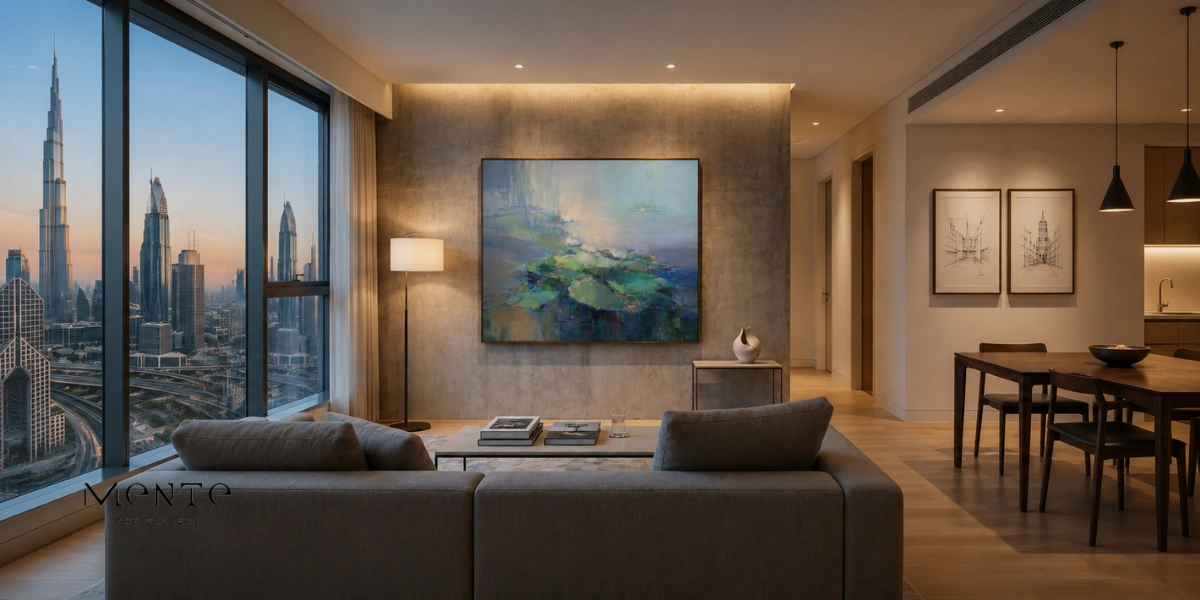
A practical way to start is to measure the width of the furniture under the wall art. If the artwork is going above a sofa, bed, console, or dining cabinet, the piece should usually be around two thirds to three quarters of that furniture width. For example, if your sofa is 180 cm wide, wall art between 120 and 135 cm wide will often feel balanced. It does not have to be exact, but it should feel connected to the furniture instead of floating alone.
For an empty wall, look at the full wall area and leave breathing space around the artwork. The piece should create presence without touching the edges visually. I also recommend marking the size on the wall with paper or painter’s tape before buying. This gives you a real feeling of scale and helps you avoid choosing something that looks beautiful online but feels wrong in the room.
Simple Wall Art Measuring Tips Before You Buy
Use these quick sizing checks to match your painting with the wall, furniture, and real feeling of the room before placing an order.
Measure the Empty Wall
Check the real usable wall space first. Leave breathing room around the artwork so it does not feel squeezed between furniture, doors, or shelves.
Compare with Furniture
Above a sofa, bed, or console, the artwork usually looks balanced when it is about two thirds to three quarters of the furniture width.
Check Viewing Distance
Stand where you normally sit or walk. If the painting looks too small from that point, choose a larger piece or a grouped arrangement.
Match the Room Mood
Bedrooms need calmer scale, living rooms can handle stronger pieces, and offices usually work best with refined artwork that feels focused.
Still unsure about the right size? Share your wall photo or room size with Mente Art Gallery and get a more confident recommendation before buying.
Order NowChoosing Wall Art Size Based on Viewing Distance?
After measuring the wall, the next step in how to choose wall art size is to think about how the artwork will be seen in real life. A piece that looks perfect from close range may feel too small from across the room. This matters most in living rooms, dining areas, entrances, and long hallways, where people usually see the artwork from a few steps away before they stand near it.
A reliable way to judge size is to step back and look at the wall from the place where the artwork will be viewed most often. For a sofa wall, stand near the opposite side of the room. For a hallway, look at the wall from the walking path. For a bedroom, check the view from the doorway and from the bed. This gives a more honest sense of whether the artwork has enough presence.
Height also affects trust in the final look. In most homes and galleries, wall art feels most natural when the center of the piece sits close to eye level. If it hangs too high, it can feel disconnected from the room. If it hangs too low, it may feel heavy or awkward. When choosing handmade wall art, I always check both size and height together, because the right artwork should feel settled, visible, and comfortable in the space. This is especially important when browsing paintings for sale in Dubai, where buyers often compare pieces online before seeing how they will actually look on their own wall.
How to Choose Wall Art Size for Each Room in Your Home?
Once you understand wall measurement and viewing distance, the next part of how to choose wall art size is matching the artwork to the room itself. Every room has a different feeling, and the right size should support that feeling instead of fighting with it.
For a living room, larger wall art usually works better, especially above a sofa or on the main feature wall. A single large painting can make the space feel finished, while two or three medium pieces can work well if the wall is wide. In a TV room, the artwork should not compete with the screen. Medium-sized wall art on a side wall or behind seating often feels more natural than a very bold piece near the TV.
For a bedroom, the best size is usually calm and balanced. Above the bed, choose artwork that is wide enough to feel connected to the headboard, but not so large that it makes the room feel busy. Soft, horizontal pieces often work well here. In a hallway, narrow vertical artworks or a small series of pieces can guide the eye without making the space feel crowded.
For dining rooms, wall art can be more expressive because people spend time sitting and looking around. A larger handmade painting or a balanced pair of artworks can give the room personality. The real goal is simple: choose a size that makes the room feel more complete, not just more decorated.
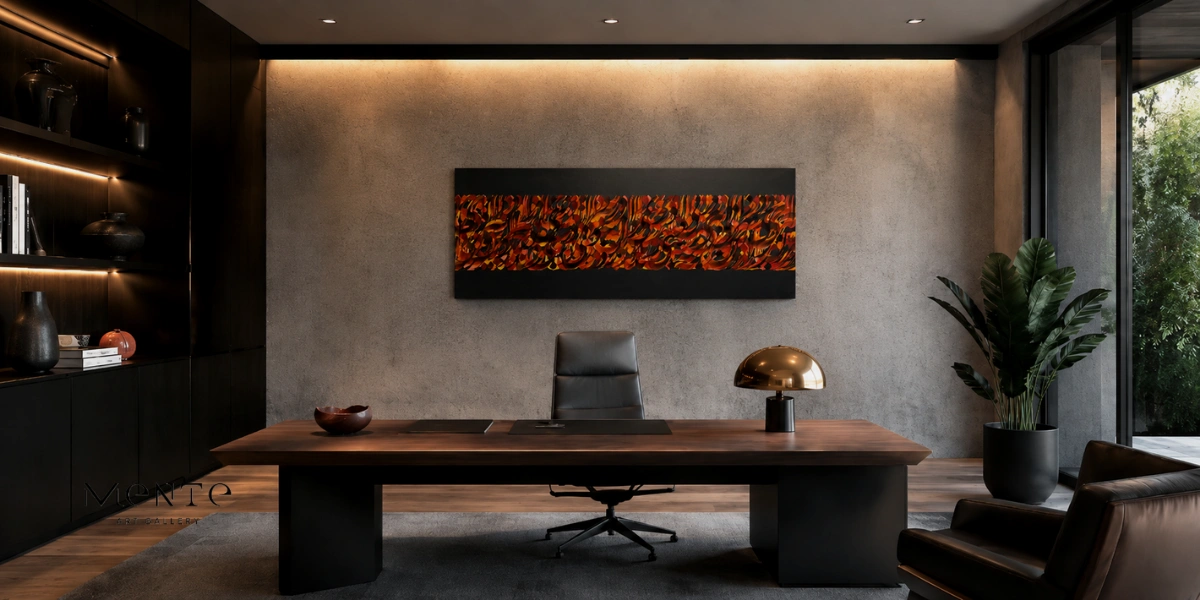
How to Choose Wall Art Size Before You Buy?
How to choose wall art size is not about following one fixed rule for every wall. It is about understanding your room, your furniture, your viewing distance, and the feeling you want the artwork to create. A good painting should not only look beautiful by itself; it should also feel right in the space where it hangs.
Before buying, measure the wall, compare the artwork with the furniture below it, check the room type, and imagine how the piece will look from the place you usually stand or sit. These simple steps help you make a more confident choice and avoid buying something that feels too small, too large, or disconnected from the room.
If you are still unsure how to choose wall art size, start with balance. The right piece should make the wall feel complete without making the room feel crowded. This is especially useful when choosing handmade paintings, large statement pieces, or nature landscapes paintings for sale, where size, texture, and depth can change the whole mood of a space.
In the end, the best wall art size is the one that feels natural, comfortable, and visually connected to your home.
Frequently Asked Questions
How do I choose the right wall art size for a sofa or bed?
A good starting point is to choose artwork that is about two thirds to three quarters of the width of the sofa, bed, or console below it. This helps the piece feel visually connected to the furniture instead of looking too small or too heavy for the wall.
Is one large painting better than several smaller artworks?
One large painting works well when you want a clean focal point, especially in living rooms, dining rooms, and above beds. Several smaller artworks can also work, but they should be arranged as one balanced group so the wall does not feel scattered or unfinished.
What wall art size works best in a small room?
In a small room, medium-sized wall art often works better than very tiny pieces. A piece that is too small can make the wall feel empty, while a medium artwork with enough breathing space can make the room feel more complete without looking crowded.
How high should I hang wall art after choosing the size?
Most wall art feels natural when the center of the piece is close to eye level. If the artwork is above furniture, leave comfortable space between the furniture and the bottom of the artwork so the two elements feel connected but not squeezed together.
How can I choose wall art size online without seeing it in person?
Before buying online, measure the wall and mark the artwork size with paper or painter’s tape. Step back and look at it from the place where you normally sit or walk. This simple check gives a much clearer idea of scale before you order.
How do I choose the right wall art size for a sofa or bed?
A good starting point is to choose artwork that is about two thirds to three quarters of the width of the sofa, bed, or console below it. This helps the piece feel visually connected to the furniture instead of looking too small or too heavy for the wall.
Is one large painting better than several smaller artworks?
One large painting works well when you want a clean focal point, especially in living rooms, dining rooms, and above beds. Several smaller artworks can also work, but they should be arranged as one balanced group so the wall does not feel scattered or unfinished.
What wall art size works best in a small room?
In a small room, medium-sized wall art often works better than very tiny pieces. A piece that is too small can make the wall feel empty, while a medium artwork with enough breathing space can make the room feel more complete without looking crowded.
How high should I hang wall art after choosing the size?
Most wall art feels natural when the center of the piece is close to eye level. If the artwork is above furniture, leave comfortable space between the furniture and the bottom of the artwork so the two elements feel connected but not squeezed together.
How can I choose wall art size online without seeing it in person?
Before buying online, measure the wall and mark the artwork size with paper or painter’s tape. Step back and look at it from the place where you normally sit or walk. This simple check gives a much clearer idea of scale before you order.
Also Read : How to choose art that matches your interior style?

We are the Mente Art Gallery Team, a group of art, design, and luxury décor specialists focused on the world of original artworks, collectible pieces, and refined interior objects. At Mente Art Gallery, we create clear, tasteful, and thoughtfully curated content to help collectors, interior designers, and luxury buyers discover meaningful pieces with confidence.
Our content covers original paintings, sculptural objects, decorative accessories, statement furniture, and exclusive design pieces, with a focus on artistic value, visual character, and how each piece can elevate a refined living or commercial space.