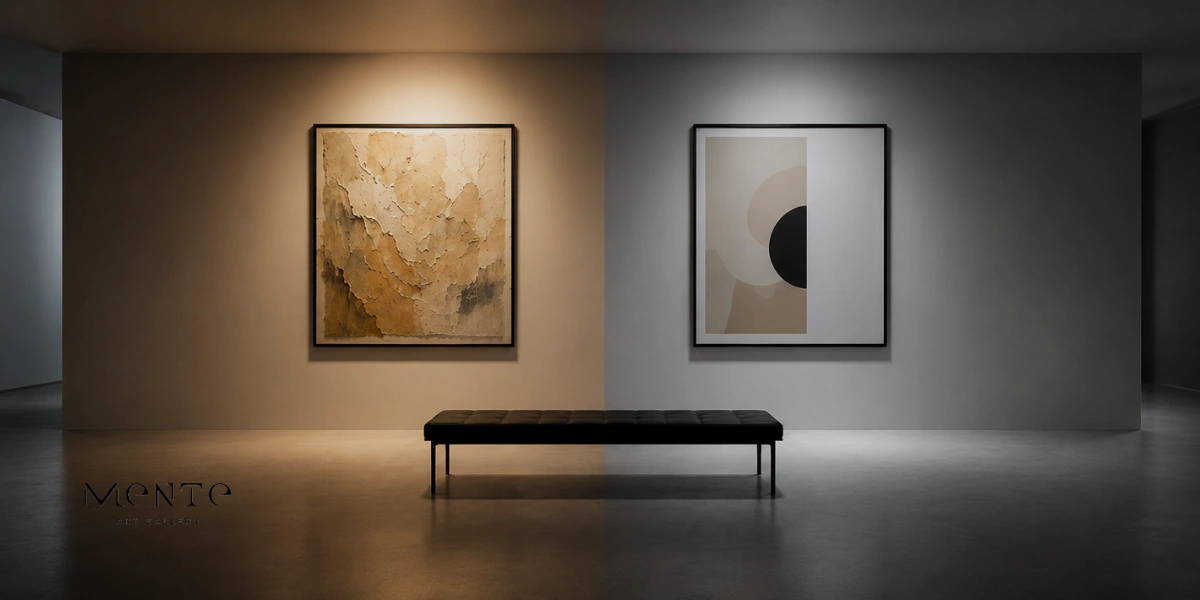
How to Identify Original Artwork?

How to Identify Original Artwork?

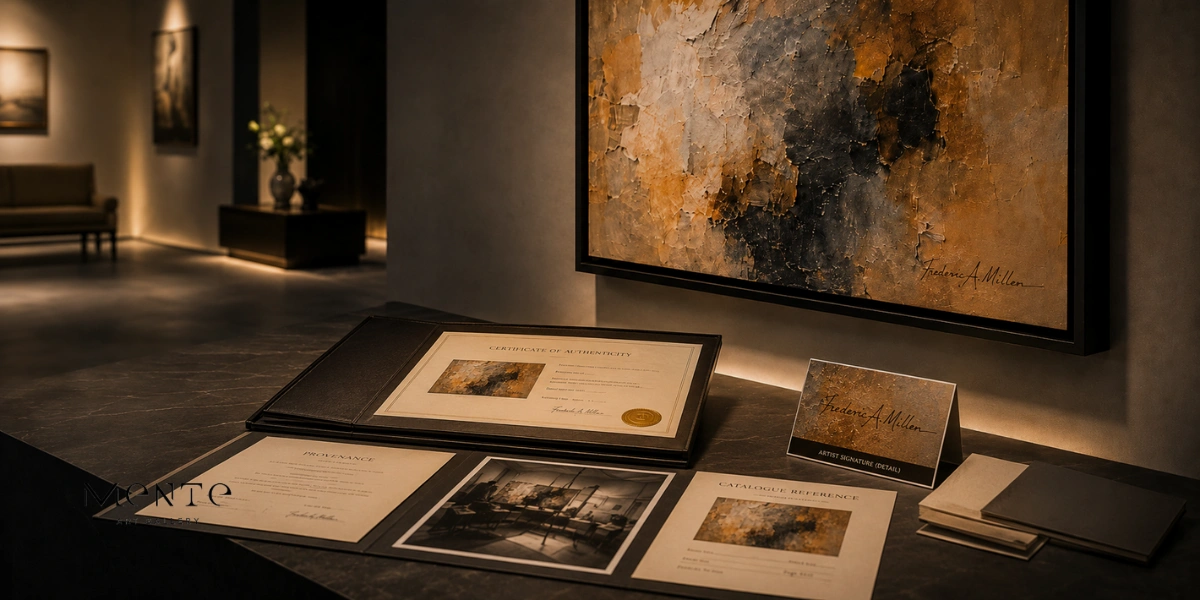
Original Artwork can usually be identified by checking a few important details together, not by trusting only one sign. A buyer should look at the artist’s signature, the certificate of authenticity, the quality of the materials, the condition of the piece, the seller’s credibility, and whether the style matches the artist’s known work. If one of these details feels unclear, rushed, or poorly explained, it is better to ask more questions before buying.

Buying art is not only about choosing something beautiful for a wall. It is also about understanding what you are paying for. An original piece carries the hand, idea, process, and record of the artist behind it. A fake or poorly represented work may look attractive at first, but it can lose meaning, value, and trust once the details are checked carefully.

This guide is written for people who want a clear and honest way to evaluate artwork before making a decision. It does not treat art authentication as a mystery or use complicated language to make the subject feel distant. Instead, it focuses on practical checks that real buyers can understand.

The goal is to help you look at Original Artwork with more confidence. A good purchase should be based on clear information, honest presentation, and enough time to review the piece properly. When a gallery, seller, or artist can explain the artwork openly, the buying experience becomes safer, calmer, and more meaningful.

One of the most useful ways to identify Original Artwork is to avoid making a decision too quickly. A genuine piece usually has a story that can be explained clearly: who created it, when it was made, what materials were used, whether it comes with proper documentation, and how it reached the gallery or seller.

If the answers are vague, inconsistent, or focused only on pushing the sale, the buyer should be careful. Original art does not need pressure to feel valuable. It should give you enough information to understand the work, compare it honestly, and decide whether it belongs in your space or collection.

Original Artwork Authenticity Guide

A refined visual guide for checking whether an artwork is original, handmade, clearly described, or possibly misrepresented before buying.

Page Two

Which Art Categories Need More Care?

Some art categories are not always fake, but they are easier to misdescribe. Buyers should pay closer attention when an artwork can be copied, printed, reproduced, or made in repeated editions.

Pop Art Sculptures Check the material, edition number, artist mark, finishing quality, and whether the sculpture is original, limited edition, decorative, or replica-inspired.
High Attention
Handmade Paintings Look for brush texture, layered paint, canvas quality, and signs of direct handwork. Ask if the piece is fully hand-painted or partly printed.
Important
Limited Edition Prints Confirm the edition number, certificate, artist signature, printing method, and whether the edition details match the seller description.
Check Details
Bronze, Resin, and Decorative Sculptures Material matters. A resin sculpture should not be described as bronze, and a decorative piece should not be sold as a one-of-a-kind original.
Material Check
02 / 02
Page One

How to Identify Original Artwork Before Buying

Original Artwork should not be judged by appearance alone. A buyer should check the artwork, the documents, the material, the seller explanation, and the way all details match together.

Check the Signature The signature should match the artist’s known style and should not feel randomly added or disconnected from the piece.
Review the Certificate A certificate should clearly mention the artist, title, size, medium, date, and seller or gallery details.
Inspect the Surface For paintings, look for real texture, brush movement, paint layers, canvas quality, and natural handmade details.
Ask About the Material For sculptures, confirm whether the piece is bronze, resin, stone, ceramic, mixed media, or another material.
Compare the Description The artwork should be described honestly as original, handmade, hand-finished, printed, limited edition, or decorative.
Avoid Pressure Buying If the seller avoids basic questions or rushes the sale, pause before paying and ask for clearer information.
01 / 02

Hover on desktop or tap on mobile to reveal the second page from right to left.

How to Identify Original Artwork?

How to Check the Quality and Authenticity of Original Artwork?

After reviewing the basic details, the next step is to look at the artwork itself with more attention. Original Artwork usually carries signs of real making, not only visual beauty. The surface, brush movement, material quality, finishing, framing, and small irregularities can all tell you something about how the piece was created. A printed copy may look clean from a distance, but it often lacks the depth, texture, and natural variation that come from a hand-finished or handmade artwork.

A serious evaluation should go beyond asking whether the artwork looks nice. The buyer should ask how the piece was made, what medium was used, whether it is acrylic, oil, mixed media, print, or hand-embellished work, and whether the seller can explain these details clearly. When a gallery understands the artwork, it should be able to describe the process without using vague words or exaggerated claims.

This is where Original Artwork becomes different from a copied image or a decorative reproduction. The value is not only in the final look, but also in the artist’s method, the materials used, and the uniqueness of the piece. For example, two abstract paintings may use similar colors, but the original piece may show layered paint, visible texture, controlled composition, and a finish that reflects the artist’s hand. A copy may repeat the image but not the process behind it.

A helpful article about this subject should not simply repeat common advice like check the signature. It should explain why each detail matters. A signature, certificate, texture, condition, and seller history all work together. When these points support each other, the buyer has a stronger reason to trust the artwork. When they do not, it is a sign to slow down and ask for more information before making a purchase.

Another important point is consistency. Original Artwork should feel consistent in its details, from the materials and technique to the way it is presented by the gallery or seller. If the artwork is described as handmade, the surface should show signs of real work, not only a flat printed finish.

If it is connected to a specific artist, the style, color choices, composition, and signature should make sense beside the artist’s other known pieces. This does not mean every original piece must look the same, but there should be a believable connection between the artwork, the artist, and the story being told about it. At Mente Art Gallery, this kind of detail helps buyers look beyond appearance and understand whether the artwork, its documentation, and its artistic background support each other. When these details match naturally, the buyer can make a more informed and confident decision.

How to Identify Original Artwork?

Why Expert Review Matters When Identifying Original Artwork?

Once the artwork, materials, and presentation seem consistent, the next step is to ask whether the source of the information is trustworthy. Original Artwork should be explained by someone who understands what they are selling, not by someone who only repeats attractive words. A reliable gallery or seller should be able to talk clearly about the artist, the medium, the size, the technique, the condition, and whether the piece is one of a kind, part of a limited edition, or a decorative reproduction.

This matters even more when buyers are looking for handmade painting art for sale, because handmade paintings can vary in texture, brushwork, finishing, and small surface details. A real handmade painting usually shows signs of direct work on the canvas. A printed copy may look clean, but it often feels flat when viewed closely. The same idea applies to sculptures. An original sculpture should have clear information about the material, whether it is bronze, resin, stone, ceramic, or mixed media. If it is an editioned sculpture, the edition number, artist mark, certificate, and casting details should be explained properly.

Trust is built when the details support each other. The certificate should match the artwork. The signature should make sense with the artist’s known work. The seller should not avoid basic questions. A good article about Original Artwork should guide the reader toward careful checking, not push them into quick buying. That is what makes the information useful, honest, and safer for real art buyers.

Accurate Artwork Descriptions Help Buyers Avoid Confusion

A careful review also protects the buyer from common misunderstandings. Not every reproduction is fake, and not every handmade piece is automatically valuable. The real issue is whether the artwork is described honestly. For example, a decorative print should be sold as a print, not as an original painting. A resin sculpture should not be presented as bronze if the material is different.

A hand-finished artwork should be explained clearly, especially if part of the image was printed first and then painted over by hand. When the description is accurate, the buyer can decide fairly. When the description hides important details, the artwork becomes difficult to trust.

What to CheckWhy It MattersWarning Sign
SignatureHelps connect the artwork to the artist.The signature looks random, unclear, or newly added.
CertificateSupports the artwork’s identity and details.Missing artist name, size, medium, date, or seller details.
Paint TextureShows whether the painting is handmade or printed.The surface looks completely flat or too uniform.
MaterialHelps confirm if the description is honest.Resin is described as bronze, or print is sold as painting.
Edition NumberShows if the piece is unique, limited, or repeated.No edition details for a supposedly limited piece.
Seller ExplanationA trusted seller should answer clearly.Vague answers, pressure to buy, or unclear documentation.
Buyer Checklist

Original Artwork Verification Checklist

Use these four essential checks before buying artwork to understand whether the piece is original, handmade, clearly described, or possibly misrepresented.

01 Identity

Artist Name and Signature

Check whether the artist’s name and signature are clear, consistent, and connected to the artwork.

What to check The signature should not look randomly added. It should match the artist’s known style, placement, and the overall presentation of the artwork.
02 Documents

Certificate and Artwork Details

Review whether the certificate matches the artwork details, not only the general seller claim.

What to check A proper certificate should mention the artist, title, size, medium, date, and gallery or seller details. Vague certificates should be questioned.
03 Material

Surface, Texture, and Material

Look closely at brushwork, paint layers, canvas texture, sculpture material, and signs of direct handwork.

What to check A handmade painting usually has natural texture and variation. For sculptures, confirm whether the material is bronze, resin, ceramic, stone, or mixed media.
04 Seller

Seller Explanation and Price

Make sure the seller explains exactly what the artwork is and why the price makes sense.

What to check A trusted gallery should explain the artist, material, size, process, condition, documents, and price clearly without vague claims or pressure.

The safest way to buy Original Artwork is to compare the artwork, documents, material, seller explanation, and price together. If one detail feels unclear, pause and ask before paying.

Buying Original Artwork with Confidence

After understanding why honest descriptions matter, the buyer should also feel that the information is easy to use in a real buying situation. A helpful guide about Original Artwork should not leave the reader with more confusion. It should make the next step clearer: look closely at the artwork, ask direct questions, check the documents, understand the material, and avoid rushing the decision.

For many buyers, the challenge is not lack of interest in art. The challenge is knowing what to trust. Someone may love a handmade painting because of its color and texture, but still need to know whether it is fully hand-painted or partly printed. Another buyer may be interested in pop art paintings for sale in Dubai, but should still ask about material, edition number, artist mark, and certificate before treating the piece as original.

Good content improves the reader’s experience when it respects their real concerns. It should explain art in a way that feels useful for a home buyer, interior designer, collector, or first-time gallery visitor. The language should be clear enough for someone new to art, but accurate enough to avoid misleading them.

A buyer should finish this section knowing that identifying Original Artwork is not about guessing. It is about combining visual inspection with honest information. When the artwork, documents, seller explanation, and price all make sense together, the decision becomes easier and more confident.

The best experience for the reader comes from practical clarity. Instead of only saying that a buyer should “check authenticity,” the article should show what that means in real life. For a painting, it may mean looking closely at brush texture, canvas quality, signature placement, and the way the colors sit on the surface. For a sculpture, it may mean checking the weight, material, finishing, edition details, and whether the certificate matches the object. These simple checks help the buyer feel more in control and reduce the chance of buying something based only on appearance.

How to Identify Original Artwork?

Final Checklist Before Buying Original Artwork

Identifying Original Artwork is not about trusting one sign and ignoring the rest. A signature alone is not enough. A certificate alone is not enough. A beautiful appearance alone is not enough. The safest decision comes when several details support each other and the seller can explain them clearly.

Before buying, take time to look at the artwork as both a visual piece and a documented object. For a handmade painting, check the surface closely. Look at the brushwork, texture, canvas, paint layers, finishing, and whether the work feels directly made by hand. If the piece is described as an original painting but the surface looks completely flat, printed, or too uniform, ask how it was produced. A good seller should explain the difference between a fully hand-painted work, a print, a hand-finished print, or a decorative reproduction.

For sculptures, the same careful approach matters. Ask about the material, weight, edition number, artist mark, certificate, and finishing. An original sculpture, a limited-edition sculpture, and a decorative sculpture are not the same thing. None of them are wrong when described honestly, but the buyer should know exactly what they are paying for.

The main thing is to avoid buying under pressure. If someone rushes the sale, avoids basic questions, gives unclear answers, or uses only emotional claims, step back. Original Artwork should come with enough information to help you feel confident, not confused. A trusted gallery or seller should be open about the artist, material, size, condition, process, and documentation.

Before buying Original Artwork, check these points carefully

  • Check the artist’s name, signature, and background.
  • Ask for a certificate of authenticity when relevant.
  • Look closely at the material, texture, and finish.
  • Make sure the description matches the actual piece.
  • Compare the price with the quality, size, artist, and market level.
  • Buy from a gallery or seller that answers questions clearly.

This article is not written only to attract search engines. Its purpose is to help real buyers make a safer and more informed decision. Art should be bought with interest, taste, and emotion, but also with clear information. When the artwork, documents, seller explanation, and physical details all make sense together, you are in a much better position to choose the right piece and avoid paying for something that has been described in a misleading way.

In the end, the safest way to buy Original Artwork is simple: do not rely on appearance alone. Ask what the artwork is, who made it, how it was made, what documents support it, and why the price makes sense. If the answers are clear and the details match, the purchase becomes easier to trust. If the answers feel vague, rushed, or incomplete, it is better to pause before paying.

FAQ

These questions help buyers understand what to check before buying Original Artwork, handmade paintings, sculptures, or decorative art pieces.

How can I tell if an artwork is original?

To identify Original Artwork, check several details together: the artist’s signature, certificate of authenticity, material, surface texture, condition, and seller explanation. One detail alone is not enough. The safest sign is when the artwork, documents, price, and story all match clearly.

Is a certificate of authenticity enough to prove original artwork?

A certificate can support the artwork, but it should not be the only thing you trust. It should match the artist name, title, size, medium, date, and seller details. If the certificate looks vague or does not match the artwork, ask more questions before buying.

How do I know if a painting is handmade or printed?

A handmade painting usually shows brush texture, layered paint, natural surface movement, and small variations in detail. A print often looks flatter and more uniform. Some artworks are hand-finished prints, so the seller should clearly explain whether the piece is fully hand-painted, printed, or partly painted by hand.

Can sculptures also be fake or incorrectly described?

Yes. A sculpture can be incorrectly described if the material, edition number, artist mark, or production method is unclear. For example, resin should not be described as bronze. If a sculpture is limited edition, the seller should explain the edition number, material, certificate, and artist connection.

Does a high price always mean the artwork is original?

No. A high price does not automatically prove authenticity, and a lower price does not always mean the artwork is fake. Price should make sense beside the artist, size, medium, condition, quality, and documentation. If the price feels unusual, ask the gallery or seller to explain why.

What should I ask before buying original artwork from a gallery?

Ask who created the artwork, what material was used, whether it is one of a kind or editioned, whether it comes with a certificate, and how the gallery verifies the piece. A reliable gallery should answer clearly and should not pressure you into buying before you understand the artwork.

Also Read :Is Buying Art a Good Investment?

Leave a Reply